Medically reviewed by the Know Your Surgery Editorial Team. Last reviewed: May 2026.
Surgical Options for Pacemaker Implantation
The surgeon has several surgical options while placing a pacemaker, depending on vein accessibility and the health of the heart itself. Here are the main options:
Transvenous Implantation
During this process, the doctor inserts a pacemaker through a vein, typically in the shoulder area, and then implants it in the heart. In open-heart surgery, there are fewer injuries and less damage; the pacemaker leads are threaded through the veins, positioning the pacemaker inside the heart. This method has proved to be a popular and very effective option for many patients.
Epicardial Implantation
Epicardial approach is an open surgical technique to get access to the heart by opening the chest cavity. Instead of installing the pacemaker lead inside the heart, the way to attach the device with the heart’s epicardium will be the method used. This option is often used for such patients like neonates or people with complex anatomy who do not always find it safe to implant using the typical intravenous route.
Subcutaneous Implantation
Subcutaneous implantation involves placing the pacemaker beneath the skin, typically in the chest area. Unlike transvenous implantation, which requires threading the leads through veins into the heart, subcutaneous implantation eliminates the need for intravascular access. This approach is particularly beneficial for patients with challenging venous access or those at risk of complications related to lead placement, such as infection or vein damage. Additionally, subcutaneous implantation may be preferred for individuals who prefer a less invasive option or have a higher risk of lead-related complications.
Can Treatment Change Based on the Person?

Doctors consider many factors when implanting a pacemaker to ensure that the treatment is personalized for each individual.
Heart Anatomy
Knowing the right aspect of the patient’s heart, for instance, its shape and structure, you will easily be in a position to decide on the optimal method of implanting the pacemaker. Cardiac size and location of the heart chambers are some of the aspects that determine a surgeon’s preference between different technique choices.
Vein Condition
The condition of the patient’s veins matters. If the veins are narrow or diseased, healthcare providers may prefer alternative approaches such as subcutaneous or epicardial implantation for successful device placement.
Patient’s Health Status
The medical history along with age and the patient’s existing conditions are all considered. It is also true that patients with multiple health issues often choose more minor interventions because complex ones pose risks and can hamper patient recovery.
Surgical Risks
Surgeons weigh every surgical possibility against certain risks and criteria for or against expected benefits. They generally plan the course of the operation considering the risks of invasion and potential post-surgical problems.
Patient Preferences
Healthcare practitioners providing primary care consider the concerns and goals of their patients. People may have different preferences and priorities: others may need a quicker or less complicated recovery while permanent implantation and stability are important for others. Collaborating with patients for making decisions is thus another way of ensuring that the treatment serves the patients.
Medication

With this surgery your heart, in rare cases, needs more help to stay healthy. Medication can be an integral element of treatment for heart ailments addressed by the doctor. Their primary goal is to retreat cardiac arrhythmias, inadequate ejection of the blood by the heart, or excess blood pressure. They might include:
Beta-blockers
Beta-blockers prevent the action of adrenalin on bèta1 receptors so as to slow down the heart rate. Heart works like a muscle, that is by contracting and expanding creates perfect circulation around the body. They promote normalization of the heart’s rate and decline in blood pressure when slowing the rate of contraction and weakening each heart moment. Thus, beta-blockers decrease the heart load relation and, consequently, assure cardiovascular a steady state.
Anti-Arrhythmic Drugs
Such drugs are taken to improve the problems associated with your rhythm. Occasionally, your heart can be LOUD or fast due to a disorder called arrhythmia. The tablets help to maintain your heart pumping strongly and rhythmically by controlling the electricity in your heart to pump at the perfect rate. Hence it lowers the risk of either tachycardia (high heart rate) or bradycardia (low heart rate) that might be hazardous.
Blood Thinners
Doctors prescribe anticoagulant medications, also known as blood thinners, to many patients diagnosed with blood clots to prevent their formation. Clotting remains one of the major risk factors, for they can cause blockage in the blood vessels and lead to the more severe conditions including strokes or heart attacks. Antiplatelets help limit the clotting tendency of the blood, therefore ensuring normal and seamed blood flow.
ACE Inhibitors
These pills support pumping your heart much better, especially if it fails to do so well.. They are the relaxation of your blood vessels allowing easy blood flowing that can lead to lower pressure and normal blood flow to the heart. You will feel full of energy and of course, this boosts your heart’s performance overall.
Authoritative sources: Mayo Clinic: Pacemakers; NIH MedlinePlus: Pacemaker.
Therapy

In addition to giving advice, your doctor may suggest joining a cardiac rehab program to facilitate your post-surgery recovery. The programs are a set of exercises which enable your heart to keep pumping out blood and you may recover quickly. It is a great path towards feeling healthy and good again!
Supervised Exercise
Certain exercises such as aerobics,endurance trainings, running aiming to strengthen the heart muscle and provide general exercise,often recommended to patients after heart surgery including pacemaker implantation. The exercises in the classes are under supervision and done in safe environments, so you don’t have to be bothered about how they are done by you.
Stress Management Techniques
Stress is when the state of your mind or body goes to the extreme because of your worry or being afraid about something. These are programs that teach you techniques to release tension and pressure and thereby have a more relaxed and less stressed feeling. As an example they could explain the basics of breathing exercises or meditation to you. They are capable of having a soothing effect on you that could be essential for reducing your blood pressure and this is advantageous for your heart health.
Authoritative sources: Cleveland Clinic: Pacemaker; AHA: Pacemakers and Devices.
Daily Management and Lifestyle Adjustments
In a few weeks after getting a pacemaker, you can do simple activities every day to ensure that your heart is in good condition. Here are some tips for daily management and lifestyle adjustments:
Incision Care
Keep the area where the pacemaker was put in clean and dry. This helps prevent infection, which can make you sick. Follow your doctor’s instructions about changing bandages and keeping the area clean.
Activity Restrictions
Try not to do anything too strenuous for a few weeks after surgery. That means no heavy lifting or doing things that need a lot of arm movement. That is why, during the period when the heart is affected by a pacemaker, it is advisable to follow the doctor’s instructions and relax types of activities in order to have a quick, proper and uneventful healing of the incision from wires’ placement.
Smoking Cessation
Stopping smoking is crucial for the heart health, because of initiation of inner disruption of heart and blood vessels and, thus, increasing the risk of heart disease.
Avoiding Strong Magnetic Fields
Cardiac pacemaker malfunctioning is common if you are exposed to the strong magnets such as MRI machines and large industrial magnets. Take precautions to avoid these environments.
Medication Management
Your doctor may prescribe some drugs for you. If given any, please take them exactly as they instructed you. For instance, distribution of antibiotics could be undertaken in order to prevent common infections. Tell your doctor immediately if you notice anything weird after taking your medicine.
Follow-up Appointments
Another visit to the clinic to see your doctor after the surgery is inevitable. Therefore, these checkups are crucial for the doctor to be able to see if the pacemaker is working efficiently and fine tune any adjustments necessary. These visits are important even when you feel well.
Driving Restrictions
The doctor will inform you when it is all right for you to resume driving the car after the operation. It is imperative to not go on the road until your doctor tells you it is okay to do so because operation prior to that point might be a hazard. Moreover, your doctor would also assess the patch-up as well as look out for any issues with the implant you may be having.
Dietary Management
Adapting nutritious diet is very crucial to keep your heart strong and sound. Entrery protein should count for about two-thirds of your daily intake while the remaining should be carbohydrates, and most of the carbohydrates should be fresh vegetables and fruits. Do not overload the salt in your food that may cause the cut of your blood pressure. In addition, avoid or do not take too much alcohol and of course caffeine, which can destabilize heart rhythm.
Symptom Monitoring
Pay attention to how you’re feeling after surgery. Tell your doctor immediately if you notice anything strange like chest pain, trouble breathing, dizziness, or a racing heart. Don’t wait because these could be signs of a problem with your pacemaker or something else with your heart.
Emergency Preparedness
Learn basic life support techniques and the CPR, and understand when to seek paramedic services in case your strike common symptoms like suddenly passing out or difficulty in breathing.
Emotional Support
Living with a pacemaker may bring up feelings of anxiety or emotional distress. Seek support from loved ones, join support groups for people with cardiac conditions, or consider speaking with a mental health professional for guidance and coping strategies.
By following these daily management tips and making lifestyle adjustments, you can support the function of your pacemaker and maintain good heart health for the long term.
Authoritative sources: Mayo Clinic: Pacemakers; Cleveland Clinic: Pacemaker; AHA: Pacemakers and Devices.
Risks and Complications
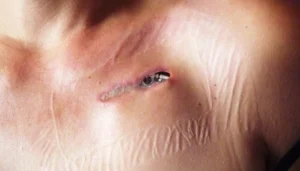
The long term health hazards and adverse effects are an important issue to be educated on after the implantation of a pacemaker. Despite being rare, they still exist and knowing them can empower you to recognize symptoms and seek professional help as soon as possible.
1. Infection
One of the major implications after pacemaker implantation is that of infection at the pacemaker site which may risk post-operation complications. Although precautionary measures are taken in conducting the process, other bacteria from the bite surface may access the body through the incision site.
- Redness: The skin around the incision may be purplish or reddish in color and swollen.
- Swelling: You can expect a mild swelling to occur around the placement spot.
- Warmth: The skin close by the incision may feel warmer than usual.
- Tenderness: The space might be sensitive or inflict pain when we touch it.
Timely medical support is the first mandatory requirement if identified infection and before further complex cases happen.
2. Bleeding
In the event of a bleeding in excessive dosage during or after the placement of the pacemaker is possible. Even though minor bleeding is quite frequent and it mostly resolves by itself, in drastic cases, which is a huge hemorrhage, it can cause a hematoma—the term that refers to the collection of blood under the surface of the skin. Symptoms of hematoma formation may include:
- Swelling: The area around the suture will tend to swell up and become blue or bruised.
- Discomfort: One possible discomfort is pain or aching at the infusion point.
Normally, the situation remains benign; however, a severe bleeding can be a reason for medical assistance.
3. Lung Trouble (Pneumothorax)
During the procedure of implanting the pacemaker leads there is a chance of a wrong puncture which cause pneumothorax(collapsed lung). Symptoms of pneumothorax may include:
- Chest pain: You might feel the very sharp or stabbing aches in the center of the breast.
- Shortness of breath: You will probably experience the difficulty of breathing or catch your breath.
- Rapid heartbeat: An increased heart rate can result from lower resources of oxygen.
In case of chest injury the affected person should receive immediate medical care.
4. Lead Displacement
Despite careful placement during the procedure, pacemaker leads may shift out of their intended position, leading to improper pacing or loss of capture. Symptoms of lead displacement may include:
- Dizziness: There is a chance you may experience mild symptoms like dizziness, or lightheadedness.
- Palpitations: There is a high possibility of heart rate irregulars or palpitations right after your workout.
- Fainting: Correspondingly, total fading of consciousness may happen again.
If you have any of these symptoms, get in touch with the health care providers as soon as possible. For example, they might repeat some tests in order to check the position where pacing leads are and determine whether any adjustments are necessary.
5. Device Malfunction
However, the malfunction of pacemakers is a rare incident as a result of several causes, among them being battery exhaustion, lead fracture, or digital glitches. Symptoms of device malfunction may include:
- Changes in heart rate: Your heart rate might not be consistent or regular as the programmed setting.
- Dizziness or lightheadedness: You might experience the feeling of the world around you spinning.
- Unexplained fatigue: You may experience excessive tiredness or weakness.
Regular monitoring and follow-up appointments with your healthcare provider are essential to promptly detect and address any device-related issues.
6. Vein Damage
Vein , which is used to access the heart, may be injured during the lead placement however. This can result in blood clots or vein constrictions, causing the blood to flow with a difficulty. Symptoms of vein damage may include:
- Swelling: The wound could become tender or swollen and could be visible by the sight of the insertion site.
- Pain or discomfort: You can develop pain or discomfort in the joint which is corresponding to the arm or chest.
You should let your healthcare specialist know if you develop any symptoms indicating an allergy. They can assess the extent of the destruction and make remedies or suggest treatment that controls complications.
7. Allergic Reaction
There are some individuals whose disease is a reaction towards materials used in their pacing system. Symptoms of an allergic reaction may include:
- Rash: Anywhere between redness, itching, and hives are common signs.
- Swelling: The affected territory might be swollen or irritated in this manner.
- Difficulty breathing: Severe cases may lead to a respiratory problem, or even cause the throat to feel constricted.
In case you find out that you have a condition that implies allergies, call a physician. Your healthcare provider can make the diagnosis and give you the treatment needed to minimize any symptoms and so as to stop the conditions from progressing.
Authoritative sources: FDA: Cardiac Pacemakers; Mayo Clinic: Pacemakers; Cleveland Clinic: Pacemaker.
Frequently Asked Questions
Can I use a microwave or cell phone after pacemaker implantation?
Yes. According to the American Heart Association, modern microwave ovens, cell phones, and most household electronics are safe to use near a pacemaker. Hold cell phones at least 6 inches away from the pacemaker site, and use the ear opposite to the implant side when possible.
How long does a pacemaker battery last?
Most pacemaker batteries last 7 to 15 years, depending on use. Per the National Heart, Lung, and Blood Institute, the device is checked at every follow-up visit, and battery replacement is scheduled before the battery runs low.
Can I exercise after getting a pacemaker?
Yes, most people return to regular exercise. The Cleveland Clinic notes that walking, swimming, and most cardiovascular activities are safe once your doctor clears you. Avoid contact sports and direct impact to the pacemaker site.
Will airport security set off my pacemaker?
Airport metal detectors will not affect a modern pacemaker, but they may detect it. The FDA recommends carrying your pacemaker ID card and informing security staff before walking through. You may also request a hand search instead of going through the detector.
When should I call my doctor about my pacemaker?
Call your healthcare provider if you experience dizziness, fainting, prolonged hiccups, swelling near the implant site, fever, redness around the incision, or a heart rate that feels unusually slow or fast. The Mayo Clinic advises seeking emergency care for chest pain or severe shortness of breath.
Can a pacemaker be removed?
Pacemaker removal is possible but uncommon. Devices may be removed if they cause infection, malfunction, or are no longer needed. Per the NHLBI, removal is performed by a cardiologist with experience in lead extraction, as removing the leads requires specialized technique.
Vision concerns alongside cardiac care? Many older adults exploring pacemaker recovery also consider vision correction. See our LASIK procedure and recovery guide for an overview of the eye-surgery pathway.
References
- NHLBI: Pacemakers. https://www.nhlbi.nih.gov/health/pacemakers
- Mayo Clinic: Pacemakers. https://www.mayoclinic.org/tests-procedures/pacemaker/about/pac-20384689
- Cleveland Clinic: Pacemaker. https://my.clevelandclinic.org/health/treatments/17360-permanent-pacemaker
- NIH MedlinePlus: Pacemaker. https://medlineplus.gov/pacemakersandimplantabledefibrillators.html
- AHA: Pacemakers and Devices. https://www.heart.org/en/health-topics/arrhythmia/prevention–treatment-of-arrhythmia/devices-for-arrhythmia
- AHA Journals: Permanent Pacemaker Guidelines. https://www.ahajournals.org/doi/10.1161/CIR.0000000000000628
- ACC: 2018 Bradycardia Guideline. https://www.acc.org/latest-in-cardiology/ten-points-to-remember/2018/11/06/14/16/2018-acc-aha-hrs-guideline-on-the-evaluation-and-management
- FDA: Cardiac Pacemakers. https://www.fda.gov/medical-devices/cardiovascular-devices/pacemakers-and-implantable-cardioverter-defibrillators
- Medscape: Permanent Pacemaker Insertion. https://emedicine.medscape.com/article/1839735-overview
- Cleveland Clinic: AV Block. https://my.clevelandclinic.org/health/diseases/17056-heart-block
- Cleveland Clinic: Bradycardia. https://my.clevelandclinic.org/health/diseases/17841-bradycardia
- CDC: Heart Disease Facts. https://www.cdc.gov/heart-disease/data-research/
Long-term cost matters too. Our pacemaker cost guide for US patients covers not just implantation but also follow-up monitoring, battery replacement, and Medicare coverage of ongoing care.